

The promise of the Internet of Things (IoT) is compelling. Connected devices that communicate seamlessly, collect data intelligently, and automate processes efficiently. Yet behind this vision lies a harsh reality: approximately 80% of IoT integration projects exceed their initial budgets, often by significant margins. For businesses investing heavily in digital transformation, these budget overruns can turn promising initiatives into costly lessons.
What starts as an exciting venture into connected technology frequently evolves into a complex web of technical challenges, security concerns, and integration nightmares. Understanding why these projects consistently go over budget is crucial for any organization planning to deploy IoT solutions.
The Underestimated Complexity of Device Ecosystems
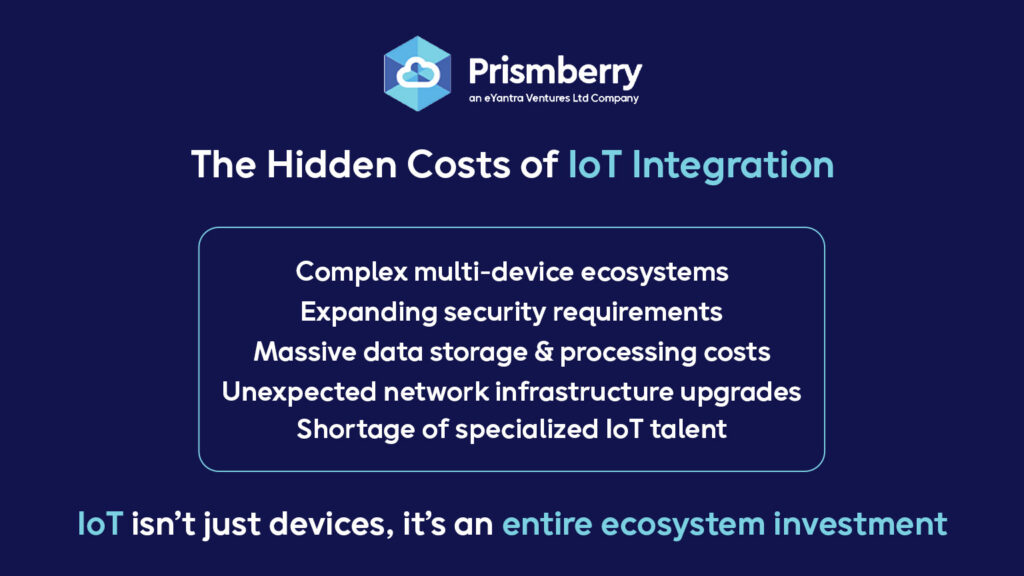
One of the primary culprits behind IoT budget overruns is the sheer complexity of integrating diverse device ecosystems. Organizations often begin their IoT journey with optimistic timelines and cost projections, only to discover that connecting different devices, protocols, and platforms is far more challenging than anticipated.
Modern IoT environments rarely consist of a single device type from one manufacturer. Instead, they typically involve sensors from multiple vendors, each using different communication protocols like MQTT, CoAP, Zigbee, or LoRaWAN. Getting these varied devices to communicate effectively requires extensive middleware development, custom APIs, and ongoing maintenance that initial budgets rarely account for.
The situation becomes even more complicated when legacy systems enter the picture. Many businesses already have existing infrastructure that needs to integrate with new IoT devices. Bridging the gap between old and new technology often requires specialized expertise and custom development work that can double or triple initial cost estimates.
Security: The Budget Line Item That Keeps Growing
Security concerns represent another massive contributor to budget overruns in IoT projects. While initial planning might allocate funds for basic security measures, the reality of securing thousands of connected devices across distributed networks is far more expensive than most organizations anticipate.
Each connected device represents a potential entry point for cyberattacks. Securing these endpoints requires robust encryption, regular firmware updates, secure boot processes, and continuous monitoring. The 2016 Mirai botnet attack, which compromised hundreds of thousands of IoT devices, demonstrated the catastrophic consequences of inadequate security. Since then, regulatory requirements and security standards have become increasingly stringent.
Implementing comprehensive security measures means investing in secure hardware components, developing secure communication channels, establishing certificate management systems, and maintaining ongoing security operations. These requirements often emerge mid-project, forcing organizations to allocate additional resources they had not budgeted for initially.
Data Management: The Hidden Cost Monster
IoT devices generate massive amounts of data, and managing this data deluge is expensive. A single sensor might transmit data every few seconds, and when multiplied across hundreds or thousands of devices, the volume becomes staggering. Organizations frequently underestimate the costs associated with data storage, processing, and analysis.
Cloud storage expenses can escalate quickly, especially when data retention policies require keeping historical information for extended periods. Real-time data processing requires robust infrastructure capable of handling high-velocity data streams without bottlenecks. Edge computing solutions, while sometimes necessary to reduce latency and bandwidth costs, introduce additional hardware expenses and maintenance requirements.
Furthermore, extracting meaningful insights from IoT data often requires sophisticated analytics platforms and data science expertise. The initial vision of automated insights frequently gives way to the reality of needing specialized personnel and tools to make sense of the information collected.
Scalability Challenges and Hidden Infrastructure Costs
Many IoT projects begin as pilot programs with a limited number of devices. The costs associated with these small-scale deployments often mislead organizations about the true expense of scaling to production levels. What works for 50 devices may completely fail when expanded to 5,000 devices.
Scalability issues manifest in multiple ways. Network infrastructure that handles pilot traffic adequately may require significant upgrades to support full deployment. Backend systems need to be architected for horizontal scaling, which often means redesigning portions of the infrastructure mid-project. Load balancing, redundancy, and failover mechanisms become critical at scale but represent substantial additional investments.
Device provisioning and management also become exponentially more complex at scale. Automating device registration, configuration, and monitoring requires sophisticated management platforms that pilot projects often operate without. These enterprise-grade IoT management systems come with substantial licensing costs and integration requirements.
The Skills Gap and Talent Acquisition Costs
IoT projects demand a unique combination of skills spanning hardware engineering, embedded systems programming, cloud architecture, data analytics, and cybersecurity. Finding professionals who possess this diverse skill set is challenging and expensive. The talent shortage in IoT development drives up labor costs significantly.
Organizations often discover mid-project that their internal teams lack the specialized expertise required to overcome specific technical hurdles. Bringing in external consultants or contractors to fill these gaps adds substantial unplanned expenses. Training existing staff takes time and money while potentially delaying project timelines, which further inflates costs.
Connectivity and Network Infrastructure Surprises
Reliable connectivity is fundamental to IoT success, yet network requirements are frequently underestimated during initial planning. Organizations may assume that existing Wi-Fi infrastructure or cellular networks will suffice, only to discover that IoT deployments require dedicated networks, additional access points, or specialized connectivity solutions.
Remote or industrial environments often lack adequate cellular coverage, necessitating investment in private networks or alternative connectivity technologies. Even in connected areas, ensuring reliable uptime and managing connectivity costs across thousands of devices becomes a significant ongoing expense that initial budgets rarely capture accurately.
Moving Forward: Planning for Reality
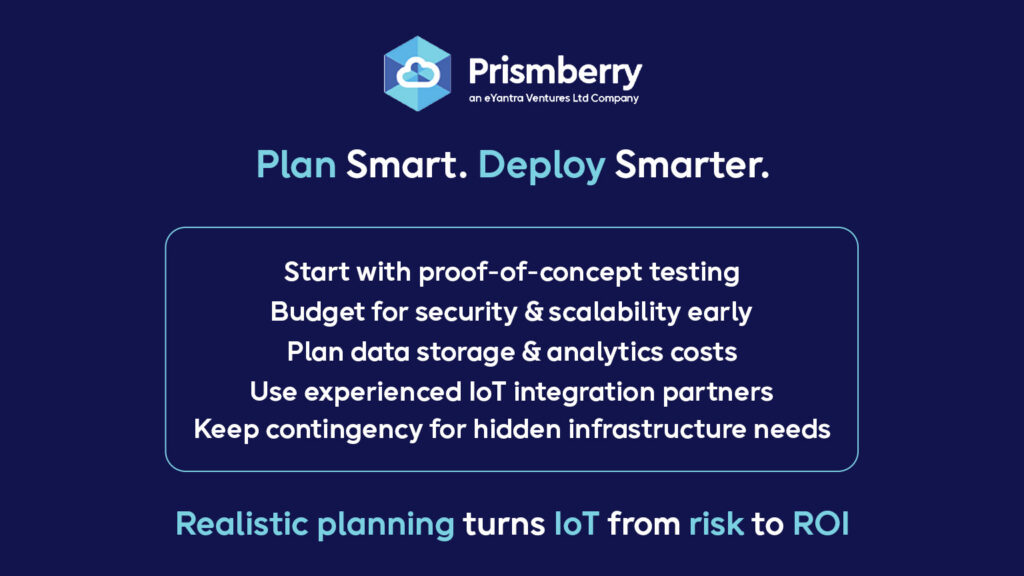
The consistent budget overruns in IoT projects are not inevitable failures but rather reflections of inadequate initial planning. Organizations can improve their success rates by adopting more realistic budgeting practices that account for the true complexity of IoT integration.
Successful IoT implementations require comprehensive planning that considers not just device costs but the entire ecosystem of connectivity, security, data management, and ongoing operations. Building in substantial contingency budgets, conducting thorough proof-of-concept testing before full deployment, and engaging experienced IoT integration partners can help organizations avoid the budget nightmares that plague so many connected device projects.
The IoT revolution offers tremendous potential for business transformation, but realizing that potential requires approaching these projects with eyes wide open to their true costs and complexities.